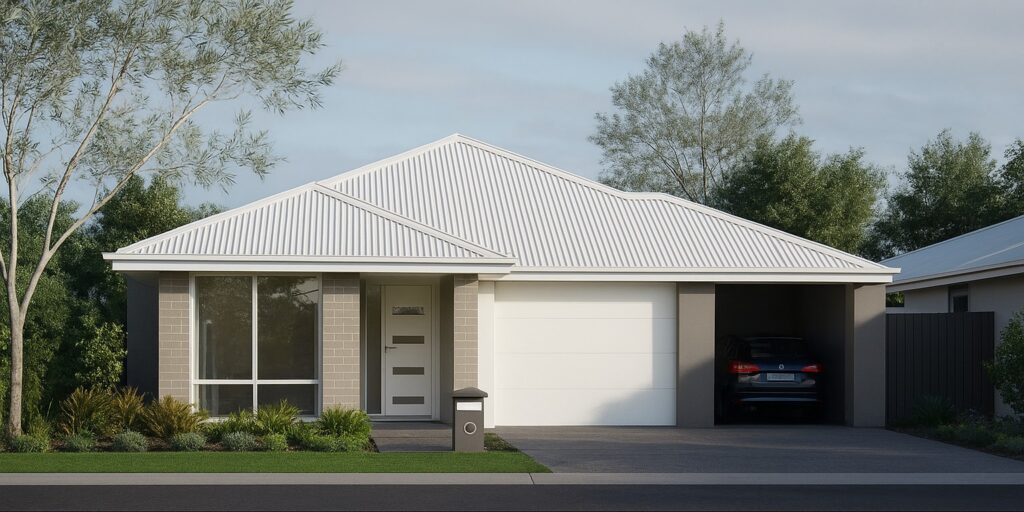

Specialist Disability Accommodation, or SDA property, is one of the most unique asset classes in the Australian real estate market. Unlike traditional residential real estate, SDA property is a high-yield investment connected to the NDIS, where value is driven primarily by income reliability, participant suitability, compliance, and risk profile rather than the building alone.
This article brings together practical insights from Asle Kommedal of Topstone Property Invest, specialising in SDA and high-yield property transactions, and Niti Prakash, an NDIS property lawyer, advocate and SDA tenancy-matching specialist at Disability Solutions & Outcomes. Together, these perspectives reflect what consistently influences successful SDA property transactions across Australia.
Why Selling SDA Property Differs From Traditional Real Estate
Traditional real estate marketing focuses on presentation, lifestyle appeal, and inspections. SDA property is assessed differently.
Investors evaluate the strength and reliability of the income stream, the participant profile, compliance status, design suitability, and management structure. The physical building matters, but only in the context of how well it supports long-term funded occupancy.
Understanding this investment-first perspective is essential when preparing to sell SDA property. Buyers are acquiring an income-producing asset with a defined risk profile, not simply a home.
Marketing SDA Property to the Right Buyers
Listing an SDA property on mainstream portals alone rarely reaches the most suitable audience. While these platforms may assist with visibility, serious SDA investors are usually identified through more targeted channels.
Effective SDA marketing focuses on investor databases, disability housing networks, targeted digital campaigns aimed at high-yield property searches, and established specialist buyer relationships.
This approach attracts informed buyers, reduces unnecessary inspections, and improves transaction certainty because discussions begin with investors who already understand SDA fundamentals.
How SDA Property Valuation Works for Investors
Valuation is one of the most critical elements when selling SDA property.
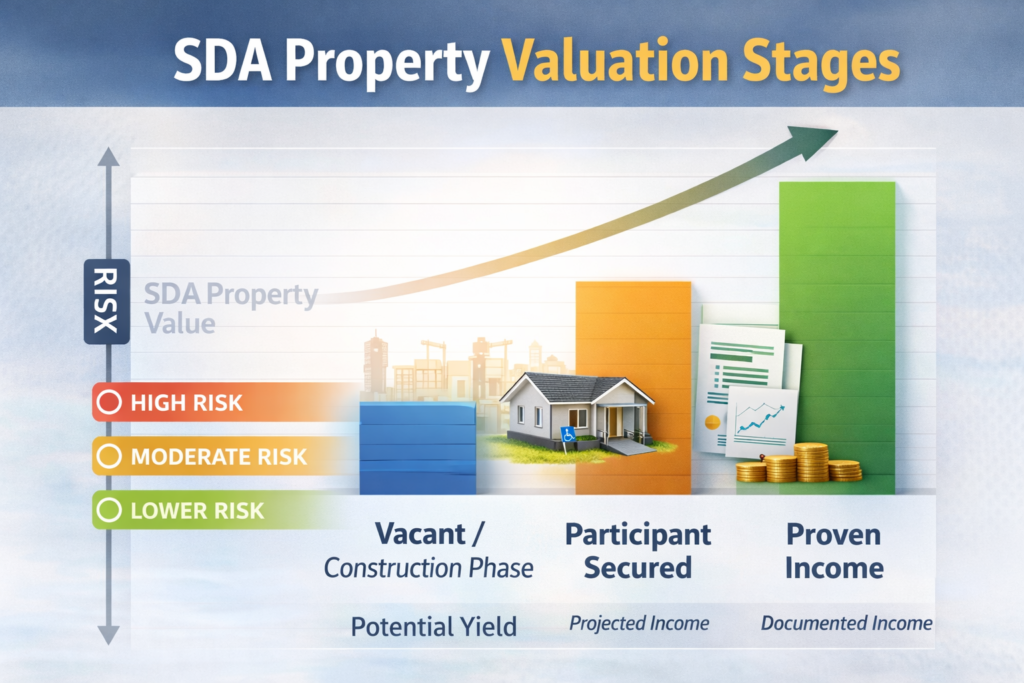
Investors, lenders, and valuers focus primarily on documented income rather than projected income. The distinction between actual income and potential income strongly influences how risk is assessed and how pricing is justified.
Vacant SDA property can still sell successfully, but it carries higher perceived risk. Where income is already established and stable, confidence typically increases and the investment proposition strengthens.
High-yield property valuations reflect the balance between existing income, future income potential, and the reliability of the arrangements supporting that income. Sellers who understand this dynamic are better positioned to set realistic expectations and prepare their property appropriately before going to market.
Contracts, Compliance, and NDIS Alignment
SDA property transactions involve more moving parts than standard residential sales. Alignment between legal documents, operational arrangements, and NDIS requirements is essential.
This often includes management agreements, SDA enrolment documentation, participant arrangements, and any provider-related conditions such as consent requirements or rights of refusal. Contract terms should reflect these realities so that both buyer and seller clearly understand the operational framework attached to the property.
Because SDA transactions sit at the intersection of property law and disability housing regulation, specialist legal input is often critical to ensure compliance and reduce transaction risk.
Financing and Due Diligence When Selling SDA Property
Financing SDA property frequently follows a more commercial-style assessment than residential lending. Buyers may face longer approval timelines, postcode lending considerations, and detailed income verification requirements.
Clear documentation demonstrating reliable SDA income helps lenders assess risk with greater confidence. Where participant arrangements are stable and transparent, financing outcomes tend to improve. An Appendix H setup is an example of this.
Cash offers can sometimes reduce delays and lower the risk of a contract falling over due to extended finance approval processes. Regardless of funding structure, clarity around actual income versus projected income remains central to due diligence.
The Importance of a Specialist SDA Ecosystem
Successful SDA property transactions typically depend on coordinated collaboration between professionals who understand the sector.
This may include SDA-experienced solicitors, brokers familiar with SDA lending, valuers who understand income-based assessment, participant matching specialists, and SDA or SIL providers. When these professionals work within an established network, potential issues are often identified early and resolved before they affect the transaction.
In the SDA market, this coordinated ecosystem often determines whether a sale proceeds smoothly or encounters avoidable delays.
Navigating the Complexity of the SDA Market
SDA investment outcomes depend on multiple interconnected factors. Design category demand, participant availability, enrolment requirements, provider relationships, funding approvals, and geographic demand patterns all influence income reliability and risk exposure. Here are some examples of case studies from sales that demonstrate how different approaches and strategies vary depending on the particular property’s value proposition.
Because these variables directly affect investment performance, SDA property behaves very differently from traditional residential property. Accurate positioning, informed preparation, and specialist understanding are essential for maximising value when selling SDA property.
Thinking of Selling an SDA Property?
If you are preparing to sell SDA property, early preparation can significantly improve outcomes. Engage professionals with SDA experience, organise documentation and compliance details in advance, confirm management arrangements, and understand your current income profile and risk position.
Carefully reviewing provider agreements and operational conditions before listing can also prevent delays during the transaction process.
With the right preparation and specialist guidance, SDA property sales can deliver strong investment outcomes while continuing to support the delivery of quality disability housing.